
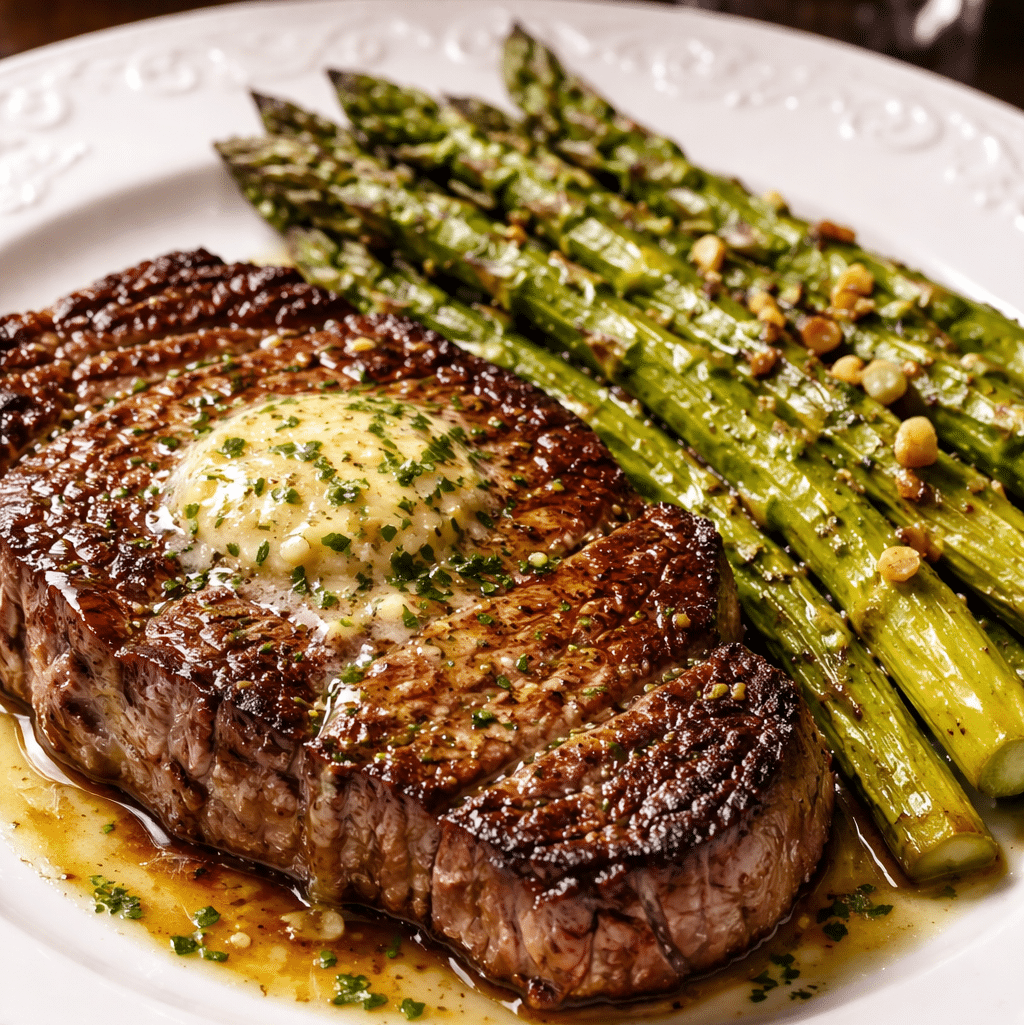
On my 45th birthday, I headed to my favorite steak restaurant in Seattle. I’ve been there so many times that I already know they don’t take reservations, so I don’t bother calling ahead. I could taste the perfect medium rare, as we turned into the lot. But, instead of having a hard time finding a spot to park, the lights are out, and there’s a handwritten sign taped to the glass doors stating that they closed after the holidays. There was no warning, and certainly no medium rare—the salty flavor washed away with silent tears as we scrambled to find another option to eat.
It’s a small moment, but it sticks with you. Not just because dinner plans changed, but because something you relied on turned out to be wrong without you realizing it. That same thing happens with restaurant directories more often than most publishers expect. Most restaurant directories don’t break all at once. They don’t fail because someone stopped paying attention or because the team didn’t care enough to keep things updated. They start to drift because they were treated like something that could be finished.
At the beginning, everything looks right. The listings are filled out, the categories make sense, and the information reflects what’s actually happening in the local restaurant scene. It feels complete, which makes it easy to move on to the next priority. But restaurant information doesn’t stay still. Hours change without much notice, ownership shifts quietly, and restaurants close without a clear signal that makes its way back to your site. New places open and take time to show up in the right places. From the moment a directory goes live, it starts to fall slightly out of sync with reality.
Inside a newsroom, that doesn’t show up as a single obvious problem. It shows up in small moments that are easy to overlook. A reader sends a note saying a place has been closed for weeks, an editor fixes it quickly between other tasks, and a writer pauses before linking to the directory and takes a second to double-check the details. Over time, those small checks start to feel normal. No one logs that as extra work, but it is. That’s the point where accuracy stops being built into the system and starts depending on people. Someone has to notice the change, someone has to remember to fix it, and someone has to have the time to do it in the middle of everything else they’re responsible for.
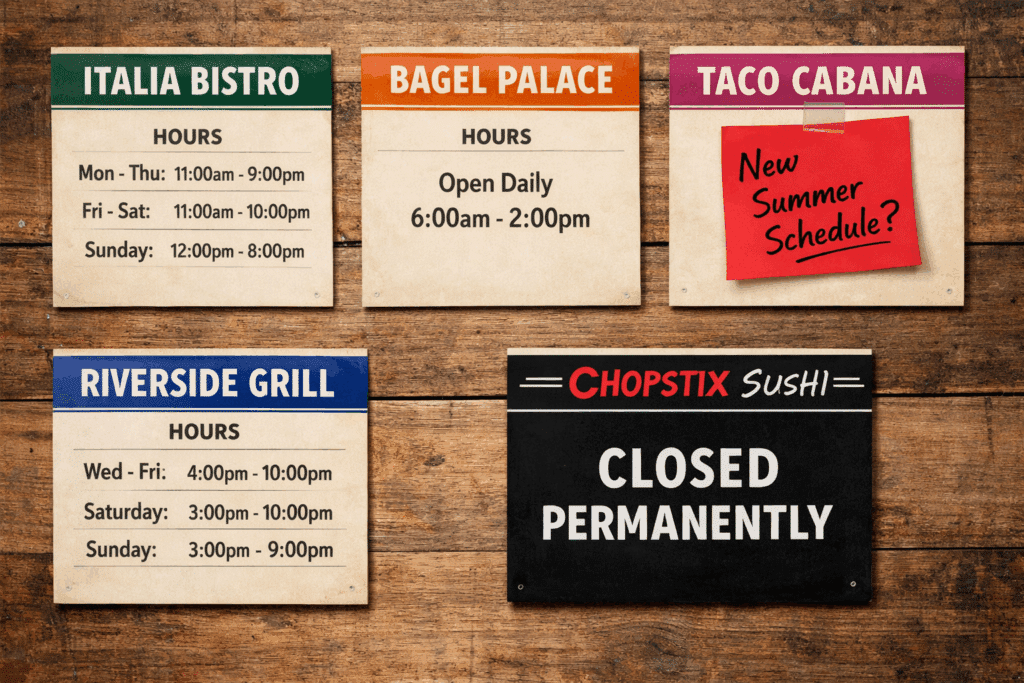
When that happens, accuracy becomes inconsistent. Some listings are updated right away, others take longer, and some are missed entirely. You can see it in behavior before you see it anywhere else. Editors double-check before linking, writers hesitate, and readers begin to point things out more often. Nothing is broken in a dramatic way, but something important has shifted.
The problem is that this kind of drift happens slowly. A single outdated listing doesn’t matter much, and a few small inaccuracies don’t immediately affect how people use the directory. But over time, those small gaps start to add up. A closed restaurant stays live longer than it should, hours are slightly off, and details don’t quite match what someone experiences when they show up in person. People still use the directory, but they start to verify things somewhere else before they act on it. That’s when trust becomes conditional instead of automatic.
It’s easy to assume this is just a matter of time or staffing, but most of the time it comes back to structure. When a restaurant directory depends on ongoing manual upkeep, it’s always competing with editorial work. Updates don’t arrive in a predictable way, and they rarely line up with the rest of the newsroom’s priorities. Over time, that creates a kind of quiet friction. The directory starts to feel heavier, not because it’s growing, but because it requires constant effort to keep it reliable.
Directories that hold up over time are built differently. They assume from the start that restaurant data is going to change constantly, and they’re structured to absorb that change without needing someone to manage every update manually. When that shift is in place, the experience changes in ways that are easy to feel. Editors don’t have to double-check everything before linking, writers use the directory without hesitation, and corrections slow down because issues are handled before they surface. The directory stops asking for attention and starts doing its job in the background.
If a directory depends on someone remembering to keep it accurate, it will eventually fall behind. Not because the team isn’t capable, but because the system is asking for constant attention in an environment where attention is already limited. And, that’s the problem CopperEats was built to solve. Instead of relying on editorial teams to keep everything current, the system handles the ongoing work of monitoring and updating restaurant data so your listings stay aligned with what’s actually happening. The restaurant directories that last aren’t the ones that are updated more often. They’re the ones that don’t rely on manual updates to stay accurate in the first place.
A Simple Way to Check Your Directory
Open your restaurant directory and pick five random listings. Look at whether they are still open, whether the hours appear accurate, and whether you would feel comfortable sending a reader there today without checking anything else.
GET IN TOUCH